


Is your heat pump not working as it should? Don't worry, resetting it could be the solution. A heat pump is an energy-efficient device designed to heat and cool your home. However, like all systems, it may occasionally need a reset to maintain optimal performance. In this guide, we'll show you when and how to reset your heat pump to keep it running efficiently and save on energy costs.
One of the most common reasons a heat pump might need resetting is a loss in heating or cooling efficiency. Heat pumps are designed to transfer heat from one place to another efficiently, but various issues can interfere with this process. If your heat pump is no longer providing adequate heating or cooling, it may be due to common issues such as dirty filters, frozen coils, or refrigerant leaks.
Dirty filters are often the main culprit. When filters are clogged with dust and debris, airflow is restricted, causing the heat pump to work harder and less efficiently. Similarly, if the coils become frozen due to poor airflow or low refrigerant levels, the heat pump may stop operating correctly. Resetting the system can help clear minor software glitches or internal errors, but addressing the root cause (e.g., cleaning filters or thawing frozen coils) is essential for long-term performance.
Resetting your heat pump can sometimes restore its normal function, especially when the issue is related to internal sensors or software malfunctions. If the reset does not resolve the problem, regular maintenance might be needed to clean the filters, check the coils for ice build-up, or inspect the refrigerant levels.
Heat pumps rely on advanced electronics and sensors to regulate their operation. Sometimes, a power surge, electrical issue, or software malfunction can cause the system to freeze or shut down. If the heat pump stops working or is operating erratically, a reset can often fix temporary software errors, electronic malfunctions, or internal miscommunications between components.
Heat pumps are designed to work efficiently, but like any other mechanical system, they can become overloaded. Overuse or working in extreme temperatures can strain the system, causing it to underperform or overheat. Overloading the system can reduce its lifespan and lead to higher energy consumption, especially if the heat pump is forced to work beyond its capacity.
Resetting the heat pump after overload situations can help prevent long-term damage and restore it to its optimal operating condition. Additionally, resetting the system can clear any error codes that indicate an overload, allowing the heat pump to start fresh and avoid unnecessary wear and tear. Regularly resetting your system after periods of heavy use can protect against permanent damage and reduce maintenance costs.
Tip: Regularly checking for system overloads and resetting the heat pump as needed can extend its lifespan, prevent unnecessary wear, and save you money on future repairs.
| Step | Action | Purpose |
|---|---|---|
| Step 1: Turn off the power | Turn off the power to the system at the breaker box. | Prevents electrical shock and ensures safe resetting. |
| Step 2: Locate the reset button | Find the reset button on the heat pump control panel. | Identifies the control point for resetting the system. |
| Step 3: Press and hold the reset button | Press and hold the reset button for 10-15 seconds. | Clears errors and resets the system. |
| Step 4: Turn the power back on | Turn the power back on at the breaker and check the thermostat. | Restores full functionality and checks system response. |
Safety is the top priority when resetting any electrical appliance, including your heat pump. Before attempting any reset, always turn off the power at the breaker box. This prevents electrical shock or accidental damage to the system while you work on it. Disconnecting the power also ensures that the system resets fully and any error codes are cleared properly.By cutting the power to the system, you give it a complete "reboot," which can help eliminate any glitches or faults that might have built up over time. Always verify that the power is off by checking the system's display or indicators. It's important to ensure your safety before proceeding with any further steps.
Most heat pumps come equipped with a dedicated reset button. This button is often located on the control panel or near the internal electrical components of the unit. Depending on the model, you may find the reset button behind a removable cover or as part of the central display. If you're unsure of its location, check the user manual for specific instructions.The reset button is typically designed to restore the system to its default settings, clearing minor internal errors or electronic issues. Locating the reset button quickly is important, as it will guide the entire resetting process.
Once you've located the reset button, press and hold it for 10 to 15 seconds. The exact length of time may vary depending on your heat pump model, so always refer to the manufacturer's guidelines for specifics. Holding the button for the appropriate amount of time ensures that the system clears any stored data and resets itself. Some heat pumps may require a longer press for the reset function to activate. If you don't hold the button for long enough, the reset may not be successful, and the system may not restart properly. It's essential to follow the correct procedure to guarantee a proper reset.
After holding the reset button for the required time, release it and turn the power back on at the breaker box. The heat pump should start up again after a few minutes. You may notice that the display or indicators on the control panel reset, showing that the system has been cleared of any previous errors. Once the system is powered up, check the thermostat to ensure it is functioning properly. Adjust the settings and make sure the heat pump responds to your desired temperature settings. If the system operates normally, the reset has been successful, and your heat pump is back to working order.
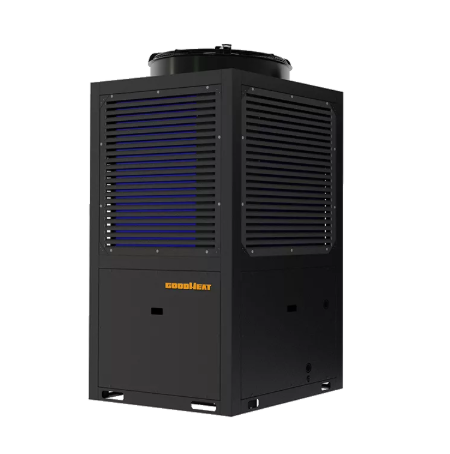
If the heat pump does not restart after resetting, there may be a deeper underlying issue that requires attention. For example, a malfunctioning compressor, damaged circuit board, or faulty electrical components could prevent the system from turning on. You can troubleshoot by checking the thermostat settings, verifying that the circuit breaker is fully reset, and ensuring that no obstructions are blocking the system's airflow. If the heat pump still doesn't function, it might be time to call a professional technician to diagnose the issue more thoroughly.
In rare cases, the reset button on your heat pump may not respond. This could be caused by a malfunction in the internal circuit or an issue with the reset function itself. If the reset button fails to activate, try turning the power off completely for 5 to 10 minutes before attempting the reset again. This allows the system to clear any errors and may restore the button's functionality. In some cases, the reset function may need to be performed using an alternative method, such as a manual hard reset.
After resetting the heat pump, error codes or indicator lights may appear on the control panel. These codes provide valuable information about the nature of the problem. Common error codes can indicate issues such as low refrigerant levels, sensor malfunctions, or electrical faults.To understand the meaning of these error codes, refer to your heat pump's manual. Each manufacturer uses a different set of error codes, so the troubleshooting steps will vary depending on the system. Understanding these codes can help you identify the issue more quickly and guide you toward a solution.
Regular maintenance is key to ensuring that your heat pump operates efficiently and doesn't require frequent resets. This includes cleaning or replacing the filters, inspecting ducts for blockages, and checking refrigerant levels. Clogged filters are one of the most common issues that affect heat pump performance, so cleaning or replacing them regularly is essential.Other important maintenance tasks include inspecting the coils for ice build-up, checking the thermostat settings, and ensuring that the system is free from obstructions. Proper maintenance reduces the need for resets and helps your heat pump run efficiently year-round.
A smart thermostat is a great tool to help optimize the performance of your heat pump. It learns your household's temperature preferences and adjusts the system's settings accordingly. With a smart thermostat, your heat pump only runs when it's needed, which prevents overworking and unnecessary resets.By automatically adjusting the system's settings based on your schedule, a smart thermostat can reduce the chances of internal errors that might lead to a reset. Additionally, it helps you manage energy usage more effectively, reducing your electricity bills.
Proper installation is crucial to the long-term performance of your heat pump. If your system is improperly installed, it can lead to inefficiencies, breakdowns, and the need for frequent resets. A certified technician should install your heat pump to ensure it's set up correctly, with proper airflow, ductwork, and wiring.The installation process should also include a thorough inspection of your home's energy efficiency, ensuring that your heat pump is the right size for your space and that your home is adequately insulated.
Resetting your heat pump is an easy way to fix minor issues, improve performance, and boost energy efficiency. Regular maintenance, like cleaning filters and checking refrigerant levels, helps prevent the need for resets. Installing a smart thermostat and ensuring correct installation also minimizes errors.
By maintaining your heat pump, you can enhance efficiency, reduce repair costs, and enjoy reliable heating and cooling. GOODHEAT offers reliable heat pump solutions with advanced features to optimize your home's comfort while reducing energy usage and costs.
A: A heat pump reset is the process of turning off and restarting the system to resolve minor errors, restore performance, and ensure efficient operation.
A: You should reset your heat pump when it encounters performance issues, such as inefficient heating or cooling, or system malfunctions, typically once or twice a year.
A: If your heat pump doesn't restart, it may have a more serious issue, like a faulty compressor or electrical malfunction, requiring professional inspection.
A: Yes, regular maintenance, like cleaning filters and checking refrigerant levels, can reduce the need for frequent resets and keep your heat pump running smoothly.
A: Yes, resetting your heat pump can help improve energy efficiency by clearing errors and restoring optimal performance, ensuring it uses energy more effectively.


