


Views: 0 Author: Site Editor Publish Time: 2025-10-09 Origin: Site


As the need for efficient heating and cooling grows, traditional systems fall short. Rising costs and inefficiencies are pushing the search for sustainable alternatives. One solution gaining momentum is the air source heat pump, an eco-friendly, cost-effective option for homes and businesses. In this article, we will explore the innovative cascade system in air source heat pumps. This system uses multiple heat exchange stages for enhanced energy efficiency, especially in colder climates.
A cascade system in the context of air source heat pumps refers to a multi-stage heat exchange process. Unlike traditional heat pumps, which use a single compressor to manage the entire heat transfer process, cascade systems use two or more compressors to handle different temperature ranges. This two-stage process allows for more efficient heat transfer, especially when the temperature outside drops significantly. The first compressor extracts heat from the outside air, while the second compressor increases the temperature of the heat further before it is transferred into the building.The advantage of this approach is that the system can maintain higher levels of efficiency, even under challenging environmental conditions. Cascade systems are particularly effective in areas where traditional heat pumps might struggle to meet the heating demands of the building.
Cascade heat pump systems are designed to transfer heat in two stages. The first compressor extracts heat from the outside air, even in cold temperatures, and passes it to a second stage. The second compressor then increases the temperature of the heat further before it is transferred into the building. This two-stage process allows for higher energy efficiency and faster heating performance, reducing the load on each individual compressor. By splitting the workload between multiple compressors, cascade systems reduce the amount of energy required to heat a space, leading to lower electricity bills for homeowners and businesses. The ability to use different compressors in the cascade system also means that heat can be extracted and transferred efficiently even in extreme cold, where a single-stage compressor might not be able to perform effectively.
Standard air source heat pumps typically consist of a single-stage compressor, which works well in mild climates but may struggle when the temperature drops below freezing. In contrast, air source heat pump cascade systems can operate efficiently in much colder environments. The ability to maintain performance even in temperatures as low as -25°C makes cascade systems more suitable for cold climates.Cascade systems provide better overall performance in areas that experience fluctuating temperatures, as they are designed to work optimally in both warm and cold weather. This makes them a preferred choice for regions with harsh winters, where traditional systems might require auxiliary heat to maintain indoor comfort.
| Feature | Standard Air Source Heat Pump | Air Source Heat Pump Cascade System |
|---|---|---|
| Performance in Mild Climates | Good performance, efficient in temperatures above freezing | Excellent performance, optimized for diverse climates |
| Performance in Cold Climates | Struggles when temperatures drop below freezing, may require auxiliary heat | Operates efficiently in temperatures as low as -25°C |
| Efficiency at Low Temperatures | Drops significantly below freezing, reduced heating capacity | Maintains high efficiency even at extreme cold temperatures |
| Temperature Range for Optimal Performance | 0°C to 15°C | -25°C to 15°C |
| Suitability for Harsh Winters | Less suitable, requires backup heating in extremely cold weather | Ideal for harsh winters, works without auxiliary heat in extreme cold |
The evaporator and condenser are key components in any air source heat pump. The evaporator absorbs heat from the outside air, and the condenser releases the heat inside the building. In a cascade system, these components work in tandem with multiple compressors to achieve greater efficiency and faster heating. The evaporator in a cascade system is designed to work at lower temperatures than traditional systems, which helps extract more heat from the environment. The condenser, on the other hand, is built to handle higher temperatures, which allows for better heat release when the system is transferring heat into the building.
Cascade systems use two or more compressors, each handling different stages of the heat exchange process. The first compressor extracts heat from the outside air and transfers it to the second compressor, which then increases the temperature. By dividing the heat transfer into two stages, the cascade system reduces the load on any single compressor, improving overall performance and energy efficiency.This multi-compressor design allows the system to maintain optimal performance even under extreme weather conditions. It also ensures that each compressor operates within its efficient temperature range, which reduces wear and tear and extends the lifespan of the system.
In cascade systems, refrigerants play an essential role in the heat transfer process. Traditional heat pumps use one type of refrigerant, but cascade systems often use different refrigerants for each stage. This allows for better temperature control and improved efficiency, as each refrigerant is optimized for the specific stage of the heat transfer.By using different refrigerants for each compressor stage, the system can maintain higher efficiency across a wider range of temperatures. This is especially beneficial for cold climates, where traditional systems may struggle to extract enough heat from the air at low temperatures.
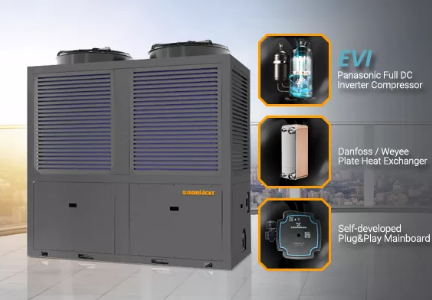
One of the primary benefits of air source heat pump cascade systems is their ability to improve energy efficiency compared to traditional systems. The use of multiple compressors in cascade systems allows for more precise temperature control, reducing energy waste. In turn, this lowers the overall operating costs and provides long-term savings. Cascade systems are particularly energy-efficient because they reduce the workload on each individual compressor. By using multi-stage compression, the system can operate at its most efficient levels across a broader range of temperatures.
Cascade systems are designed to perform effectively even in extreme cold. Traditional heat pumps may lose efficiency in temperatures below freezing, but cascade systems can maintain high levels of performance at temperatures as low as -25°C. This makes them ideal for homes and businesses located in colder climates. Air source heat pumps are now better suited for areas with freezing winters, offering a reliable alternative to traditional heating methods like gas or oil systems.The dual-compressor design of cascade systems ensures that the system continues to operate efficiently, even when outdoor temperatures plummet. This makes them an excellent option for colder regions that require reliable, year-round heating.
While the initial installation cost of a cascade system may be higher than traditional heat pumps, the long-term savings in energy consumption are significant. Cascade systems are more energy-efficient, meaning they will lower heating costs over time, making them a cost-effective investment in the long run.Because cascade systems operate more efficiently and reduce the need for auxiliary heating, they offer substantial savings on electricity bills. Over time, the energy savings from using a cascade system can outweigh the initial installation costs, especially for homes and businesses in colder climates.
Air source heat pump cascade systems are a sustainable and eco-friendly solution. They use renewable energy from the air, reducing reliance on fossil fuels for heating. By operating more efficiently and consuming less energy, cascade systems help reduce carbon emissions and contribute to a greener environment.Cascade systems help homeowners and businesses reduce their environmental footprint by using energy-efficient technology. Their ability to provide heating and cooling with minimal energy consumption makes them a crucial component of a sustainable energy future.
Cascade heat pumps are an excellent solution for residential homes, particularly in areas with cold winters. They provide both heating and cooling, ensuring year-round comfort. Homes that are equipped with air source heat pumps will enjoy reliable, efficient climate control without the need for separate heating and cooling units.Homes in cold climates can benefit significantly from cascade systems, as these systems ensure a constant indoor temperature regardless of the weather outside. Whether it's a cold winter or a hot summer, cascade heat pumps provide a consistent, energy-efficient solution.
In commercial and industrial applications, cascade systems are ideal for large buildings and multi-zone installations. The ability to control temperature across multiple areas with a single system reduces energy consumption and increases operational efficiency. Cascade systems are perfect for offices, factories, and other large spaces that require consistent heating and cooling.Commercial properties with varying heating and cooling needs, such as multi-floor buildings or facilities with multiple zones, can benefit from the adaptability of cascade systems. These systems provide cost-effective, reliable climate control in environments that require consistent temperatures.
Air source heat pumps, including cascade systems, are particularly effective in cold climates. Unlike traditional systems, cascade heat pumps continue to work efficiently at temperatures as low as -25°C, providing reliable heating in even the harshest winter conditions. This makes them an optimal choice for regions with extreme winters, where traditional heating methods may struggle to maintain comfort.Cascade heat pumps can be a game-changer for homes and businesses in areas where temperatures regularly dip below freezing. Their ability to extract heat from the air even in frigid conditions ensures reliable performance, even during the coldest months of the year.
While ground source and water source heat pumps are effective in their respective environments, air source cascade systems are more versatile, especially in colder climates. Ground and water systems require installation in specific environments (such as a body of water or underground), whereas air source systems can be installed almost anywhere.Cascade systems are more adaptable than ground or water source systems, making them ideal for properties in locations where other systems might not be feasible. Their ability to perform well in colder climates adds to their appeal.
Air source systems generally require less space for installation compared to ground or water source heat pumps. They are also less expensive to install, making them a cost-effective option for both residential and commercial properties. Cascade systems, in particular, provide a high-performance solution with minimal space requirements.Air source heat pump cascade systems are easier and less expensive to install compared to their ground and water counterparts, especially in areas where space is limited.
Cascade heat pumps, like other air source systems, are relatively low-maintenance compared to ground and water source systems. Ground and water source systems require ongoing monitoring of the underground loop or water source, which can be costly. Cascade systems, however, only require periodic maintenance of the air-based components.Cascade systems also tend to have a longer lifespan due to the efficient operation of their multiple compressors and their lower reliance on auxiliary heating sources.
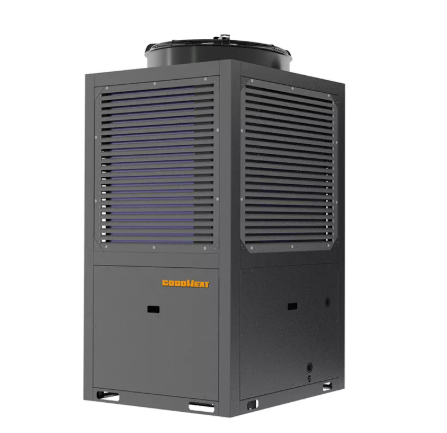
The future of air source heat pump cascade systems is promising, with advancements in AI, smart thermostats, and renewable energy sources. These technologies will further enhance the efficiency and functionality of cascade systems, making them even more cost-effective and sustainable for homes and businesses.Innovations in smart technology and AI-driven systems will make cascade heat pumps even more efficient and easier to control, allowing homeowners and businesses to optimize energy use and reduce operational costs.
As the demand for energy-efficient and eco-friendly solutions continues to rise, the adoption of air source heat pump cascade systems is expected to grow globally. The transition to more sustainable energy solutions will drive the widespread use of these systems in residential, commercial, and industrial applications.The global market for air source heat pumps, especially cascade systems, is poised to grow as more people seek sustainable and cost-effective heating and cooling solutions for their homes and businesses.
Air source heat pump cascade systems offer notable advantages for those seeking an efficient, eco-friendly, and cost-effective solution for heating and cooling. These systems are designed to operate in extreme temperatures, ensuring reliable performance. With enhanced energy efficiency, long-term cost savings, and sustainability, cascade systems are an excellent investment for both residential and commercial use. Upgrading to a cascade system guarantees year-round temperature control. GOODHEAT provides innovative solutions, offering superior technology and long-lasting value. Their air-to-water heat pumps deliver reliable, energy-efficient heating and cooling options, ensuring sustainable living.
A: An air source heat pump cascade system uses multiple compressors to efficiently transfer heat, offering better performance in cold climates.
A: The system uses multi-stage compression to extract and increase heat in stages, improving efficiency, especially in low temperatures.
A: It provides enhanced energy efficiency, reliability in cold weather, and long-term savings compared to traditional systems.


